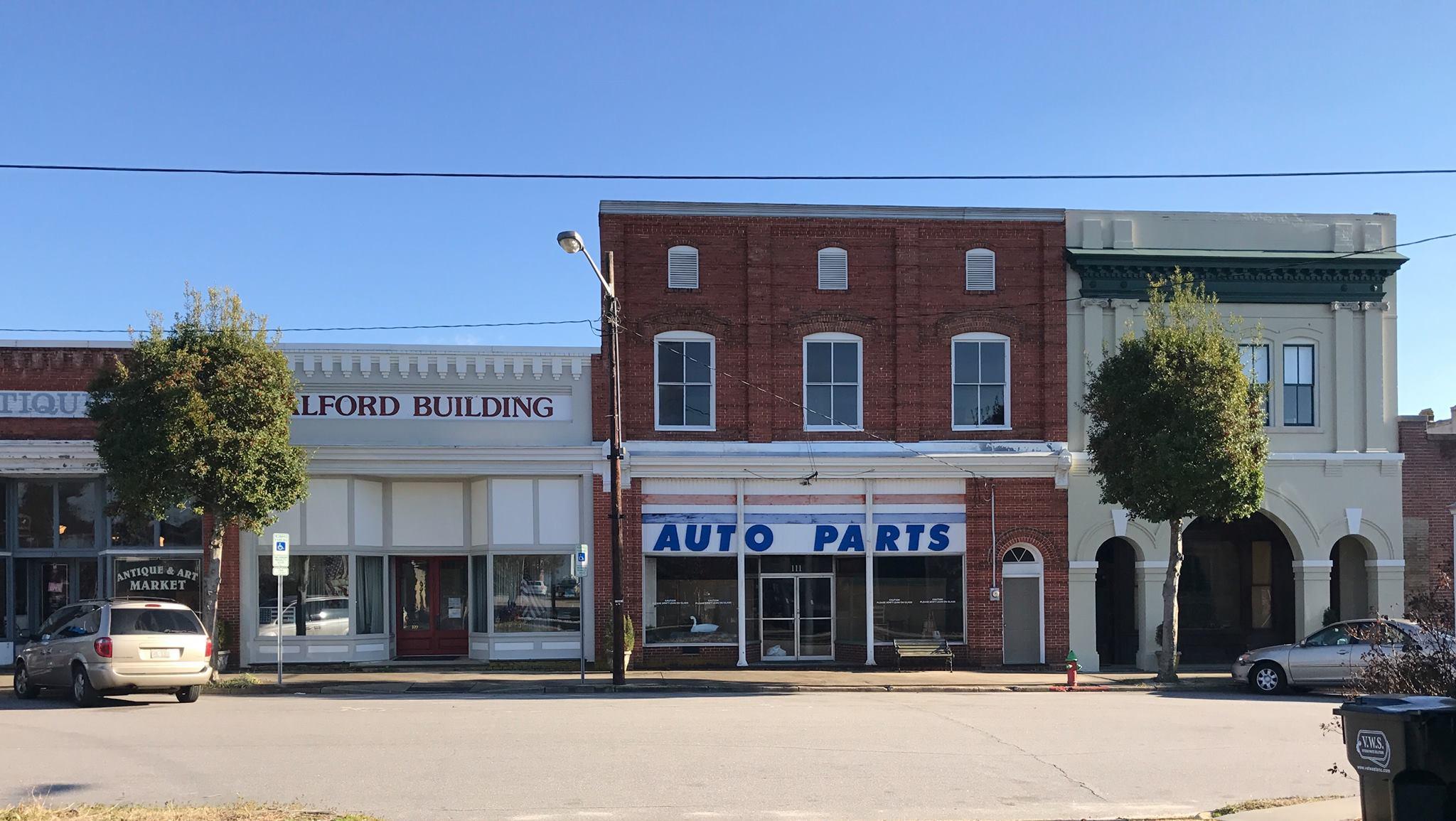
SPRING HOPE, N.C. — In the small, historic town of Spring Hope, North Carolina, a local homeowner's dispute with town officials is raising broader questions about code enforcement, government accountability and whether all residents are being treated equally.
Spring Hope is located roughly 36 miles from Raleigh and has a population of approximately 1,400 residents. It is a diverse, working-class community made up of homeowners, renters and families who have called the town home for generations.
Community advocates say they have heard concerns from people of color who believe they have experienced biased rules, selective enforcement or unequal treatment. In a small, lower-income community where many residents rent their homes, some people may be reluctant to speak publicly because they fear retaliation, housing problems, additional enforcement actions or financial consequences.
One of the stories recently brought to the attention of StopJimCrow.org involves Mr. Jimmy Harris, an African American homeowner on Hopkins Avenue in Spring Hope.
A Family Working to Restore an Older Home
According to Mr. Harris, he purchased an older fixer-upper with the goal of repairing the property and creating a better home for his family.
The house dates back to the early 1900s and, like many homes of its age, has required extensive repairs and continuing improvements. Harris says he has invested years of his own time, labor and money into restoring the property.
Years after Harris established his home in the neighborhood, a woman purchased a property across the street as an investment, according to Harris. He says that after the owner reportedly experienced difficulty selling that property, complaints increasingly began to focus on the condition and appearance of his home.
Harris questions why a property owner who moved into the neighborhood years after his family should be able to influence how the town treats his property.
Harris Says Town Officials Ordered Him to Build a Fence
According to Harris, Mayor Kyle Pritchard, Town Manager Jonathan Allen and the town's code enforcement official told him that he needed to put a fence around his property.
Harris questions the reason for the requirement and why his family should have to bear the expense of constructing a fence because another property owner is dissatisfied with the appearance of his home.
Harris further alleges that the Town of Spring Hope has continued assessing fines and charges against his property that he believes are unjustified.
According to Harris, those accumulating charges have created significant financial pressure on his family. He fears that if the fines and enforcement actions continue, his family could eventually be placed in a position where they are unable to afford to remain in their home.
Building Permit, Storage Container and Thousands of Dollars in Losses
Harris also describes a troubling dispute involving a building permit and a storage container he used while renovating his home.
According to Harris, he had a building permit authorizing work on the property. Harris says the Town of Spring Hope later lost or could not locate its record of that permit.
Importantly, Harris says he retained his own copy of the permit.
During the renovation, Harris says he kept a storage container on his property so that he could safely store building materials, tools, equipment and other supplies needed to repair the home.
Despite Harris having his own copy of the building permit, he alleges that town officials required him to remove the storage container from his property.
Harris says being forced to remove the container resulted in thousands of dollars in losses involving supplies, materials and other expenses connected to the renovation of his home.
He questions why his family should have suffered such a substantial financial loss when, according to his account, he had obtained the required permit and was able to produce his own copy.
The circumstances also raise questions about how the town maintains permit records and what procedures exist when a resident can produce documentation that the town itself says it cannot locate.
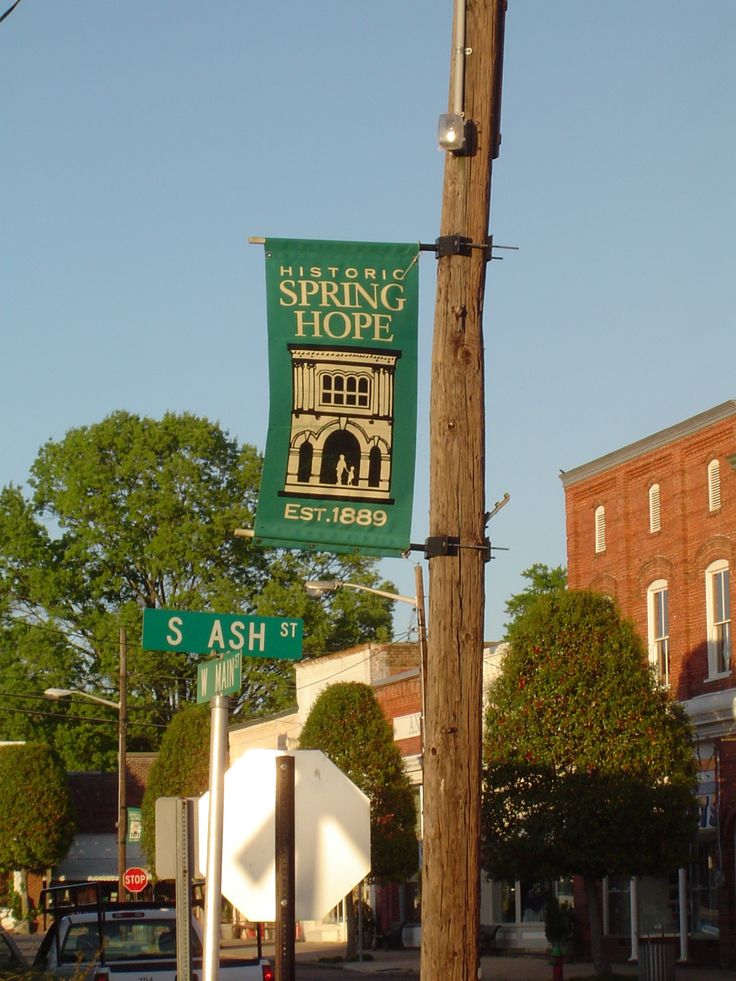
Are Spring Hope's Rules Being Applied Equally?
The controversy is about more than a fence, a storage container or the appearance of one house.
The fundamental question is: Are the same rules being applied fairly and consistently to everyone in Spring Hope?
If town officials are requiring Harris to construct a fence, the town should be able to identify the specific ordinance authorizing that requirement and explain why it applies to his property.
If fines and charges are being assessed, Harris should receive a complete accounting identifying each alleged violation, the ordinance involved, the date of the violation, the amount assessed and the process available to challenge it.
If Harris possessed a valid building permit, the circumstances surrounding the town's reported inability to locate its copy should also be examined.
And if other properties in Spring Hope have similar conditions, residents have a legitimate interest in knowing whether those property owners have faced the same requirements, deadlines, fines and enforcement actions.
Concerns About Race and Discrimination
Harris is an African American homeowner, and his experience has contributed to broader concerns expressed by some community members about whether race or economic status may influence how residents are treated.
Those concerns should be taken seriously.
At the same time, allegations of racial discrimination, retaliation or selective enforcement should be investigated through documentation, public records and comparisons with how similarly situated property owners have been treated.
In 2026, residents should not have to wonder whether practices reminiscent of the Jim Crow era are influencing the decisions of their local government.
People should not be afraid to question government officials simply because they are renters, have limited financial resources or fear that speaking publicly could make their situation worse.
StopJimCrow.org Calls for Transparency and an Independent Review
StopJimCrow.org is calling for a fair, transparent and independent review of the circumstances surrounding Harris's property.
- The legal basis for requiring Harris to construct a fence.
- Every fine and charge assessed against his property.
- Records concerning Harris's building permit and his copy of that permit.
- The circumstances surrounding the town's reported loss or inability to locate its permit record.
- The order requiring Harris to remove his storage container.
- Harris's reported financial losses resulting from the container's removal.
- The treatment of comparable properties throughout Spring Hope.
- Whether the same ordinances and enforcement standards are being applied consistently to residents regardless of race, income or personal connections.
Town officials and other individuals named in Harris's allegations should also have an opportunity to publicly explain their actions and provide documentation supporting the decisions that were made.
The objective should be simple: establish the facts.
No resident should receive special treatment because of wealth, race, influence or personal relationships.
Likewise, no homeowner or family should be selectively targeted, intimidated or financially pressured because they lack those advantages.
Have You Experienced Similar Treatment in Spring Hope?
StopJimCrow.org wants to hear from residents who believe they have experienced racial discrimination, selective code enforcement, unequal treatment, retaliation, harassment or other discriminatory government practices in Spring Hope.
Residents are encouraged to preserve photographs, citations, inspection notices, permits, letters, emails, bills, court records and a written timeline identifying dates, events and the officials involved.
Send complaints and supporting documentation to:
stopit@stopjimcrow.org
This story is bigger than one fence, one permit, one property or one homeowner. The larger question is whether every person in Spring Hope—regardless of race, income or social standing—is receiving fairness, due process and equal treatment under the law.